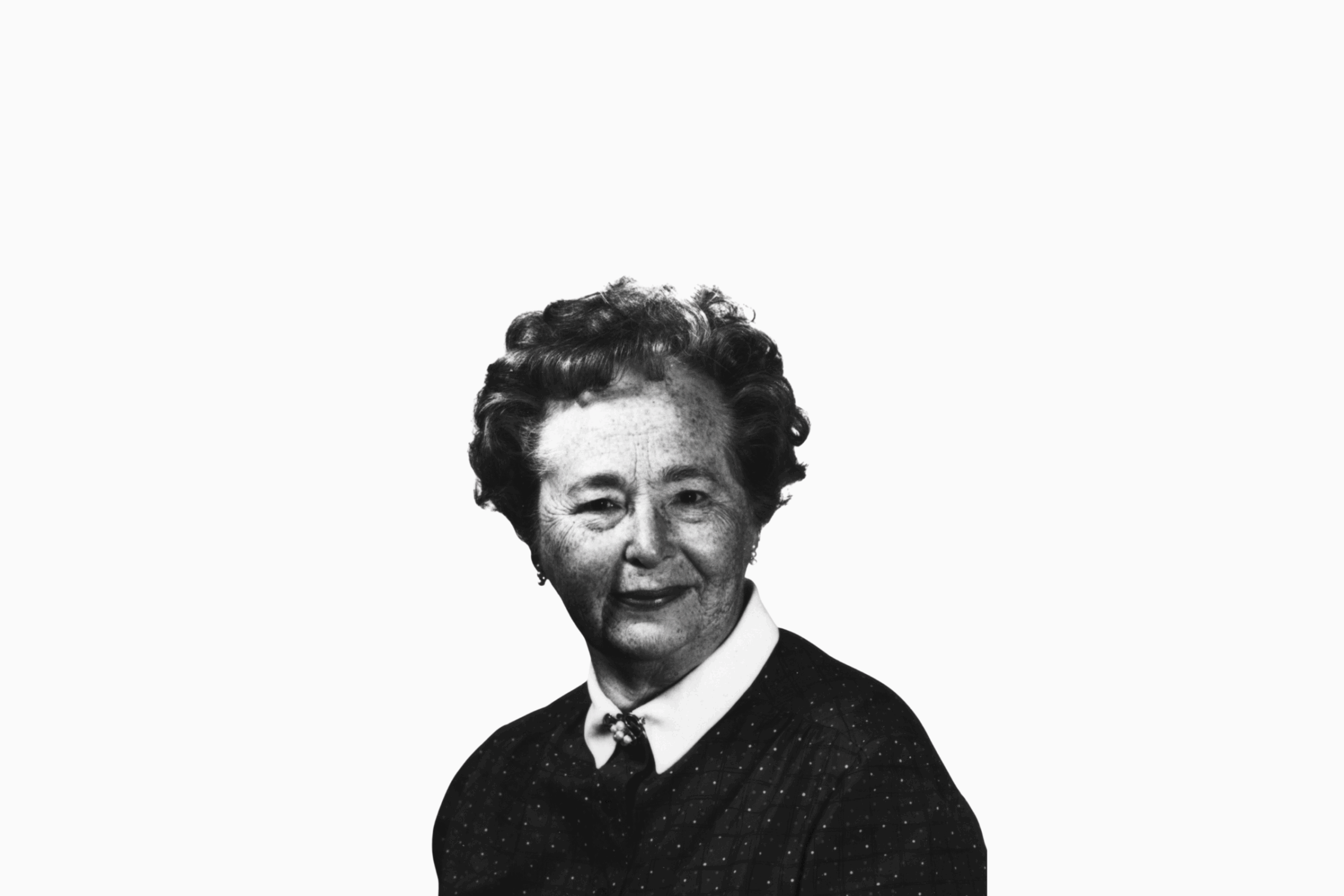

In a time when women were rarely seen in scientific leadership roles, Gertrude Elion broke barriers and transformed the pharmaceutical industry. Her contributions to drug development laid the groundwork for many of today’s treatments and reshaped how medicines are discovered.
Elion’s path into science was anything but easy. Born in 1918 to an immigrant family in New York, she was deeply affected by the loss of her grandfather to cancer. This experience sparked her determination to work in medicine, hoping to find a cure. Despite graduating with honours in Chemistry at Hunter Univeristy at just 19, she was rejected from all 15 graduate‑school programmes to which she had applied, as admissions committees were unwilling to provide financial aid to women. Instead, in 1939, she enrolled in both a graduate and a master’s programme at New York University after saving sufficient funds. Securing employment was difficult, as laboratories were reluctant to hire women and positions in science were scarce.
Elion refused to give up. She financed her studies by teaching and by working as a laboratory assistant (initially unpaid but later paid) for practical experience. During her master’s years, she taught while conducting research on evenings and at weekends, obtaining her degree in 1941. Tragically, that same year her fiancé died of a heart infection. Like her grandfather’s death, this loss served as another powerful motivator in her pursuit of pharmaceutical research. After a few laboratory roles, in 1944, amid a wartime shortage of chemists, she was offered a position at Burroughs Wellcome. Here, she began a decades-long partnership with George Hitchings that would transform the field of drug discovery.
A new approach to drug discovery
At the time, developing new medicines often relied on trial and error. Scientists would test large numbers of chemical compounds to see whether any had a helpful effect, without fully understanding how or why they worked. This process was slow, costly, and unpredictable.
Gertrude Elion and George Hitchings pioneered a smarter, more targeted approach in a method called ‘rational drug design’ by designing compounds based on the molecular and biochemical pathways of disease. Instead of testing random compounds, they focused on how cells functioned, especially how DNA and RNA were formed. By understanding these processes, they could identify specific differences between healthy and diseased cells, then create drugs that would selectively interfere with the functions driving illness.
This method led to the development of numerous treatments, including the following:
- 6-mercaptopurine, used to treat childhood leukaemia by targeting the rapid, uncontrolled growth of white blood cells
- Azathioprine, the first immunosuppressant for organ transplants to help suppress the immune system’s misguided attacks on the body
- Allopurinol, used to treat gout by interfering with the chemical build-up that causes painful joint inflammation
- Acyclovir, one of the first antiviral drugs for herpes infections, which works by blocking the ability of the virus to replicate its genetic material and spread.
Their method meant that treatments were not only more effective but also caused fewer side effects, as they were designed to affect diseased cells more than healthy ones.
Her work laid the foundation for later antiviral drug development, including treatments for HIV/AIDS. Over her career, Elion was awarded 45 patents and played a key role in the development of breakthrough drugs.
In 1988, she received the Nobel Prize in Physiology or Medicine, which she shared with George Hitchings and Sir James Black. Elion was unable to finish her PhD, as she was not allowed to work and study part-time. However, by the end of her life, she was awarded three honorary doctorates, with a total of 23 honorary degrees.
A legacy of determination and impact
Elion was celebrated not only for her scientific skill but also for her dedication to improving health. She embraced collaboration, supported young scientists, especially women facing barriers, and helped transform drug development. Her work with Hitchings marked a turning point in pharmaceutical research, shifting the field away from guesswork towards a more thoughtful, science-led approach – a model still used in drug development today.
Why her story still matters
For those of us working in medical communications, her story is a reminder of the value of making complex science meaningful. She believed in the power of knowledge to change lives. That belief continues to shape the way we communicate health today.
Learn more about Elion Medical Communications here.
Photo credit: Image courtesy of the Encyclopædia Britannica, https://www.britannica.com/biography/Gertrude-B-Elion#/media/1/184676/153365, accessed: 19 July 2025.