
Antibody–drug conjugates (ADCs) are at the forefront of targeted cancer therapies. These ‘smart’ therapies combine precision targeting with potent chemotherapy and offer hope for patients living with cancer.
What are ADCs – and why do they matter?
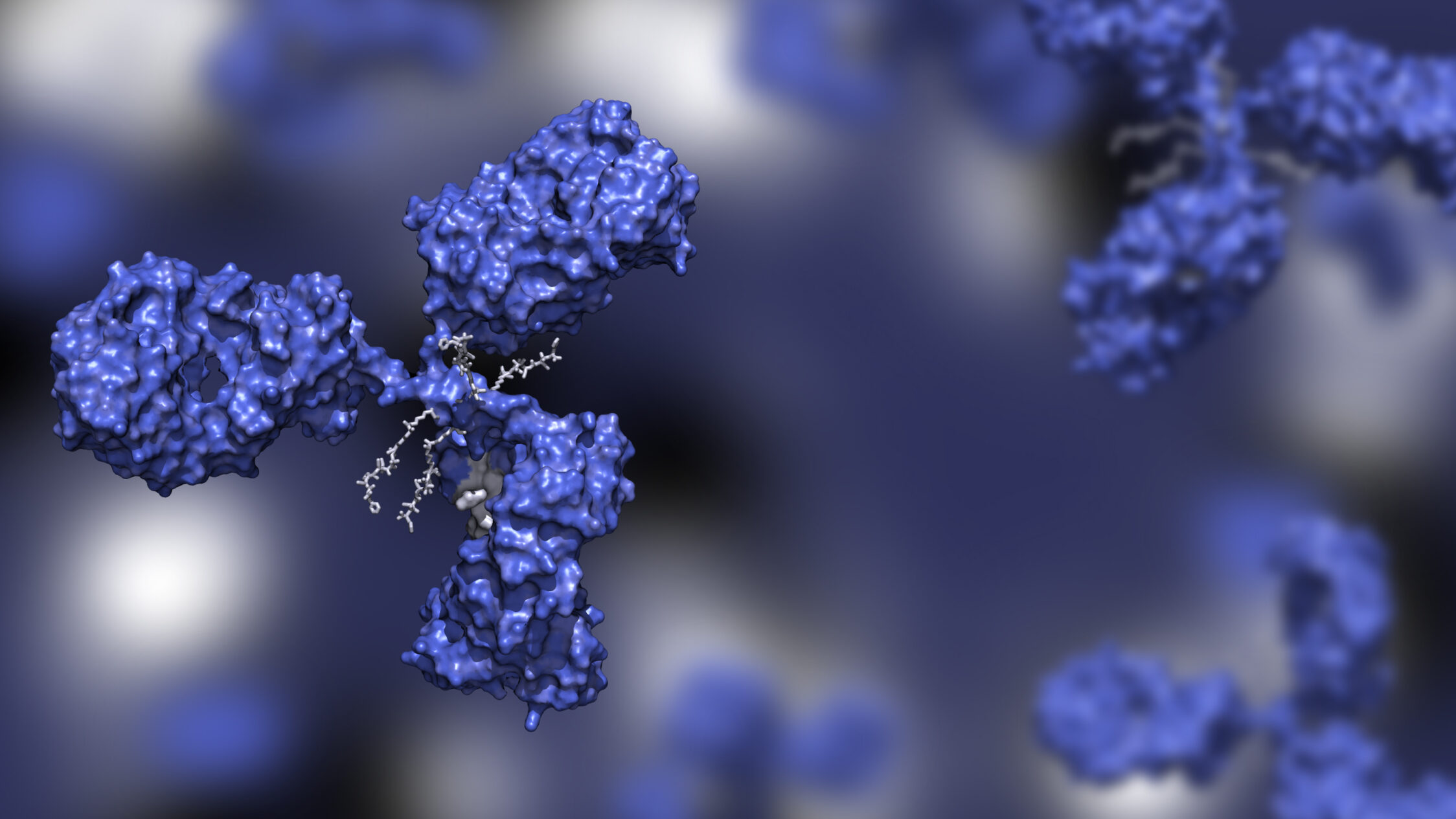
ADCs are known as ‘smart bombs’ or ‘biological missiles’ for cancer. They consist of three components:
- a monoclonal antibody that seeks out cancer-specific proteins (antigens)
- a highly potent anticancer drug
- a linker molecule that binds the two.
The antibody acts as the guide, seeking out and attaching to antigens on the surface of cancer cells. Once the antibody attaches to the cancer cell, the linker releases the anticancer drug payload inside the cell, destroying it from within.
Chemotherapy and other conventional treatments affect both cancerous and healthy cells, often leading to severe side effects, such as fatigue, nausea and immunosuppression. Unlike chemotherapy, ADCs deliver their cytotoxic payload directly to tumour cells, sparing most healthy tissue. This precision implies fewer side effects, better tolerability and the chance for patients to live comfortably during treatment.
What’s next for ADCs in oncology?
In recent years, ADCs have emerged from the laboratory and become available in clinic.
Trastuzumab deruxtecan (Enhertu) has delivered impressive results in HER2-positive breast and lung cancers. Enfortumab vedotin (Padcev), when used with pembrolizumab (Keytruda), offers a new treatment option for patients with advanced bladder cancer. Research is also being undertaken in ovarian, stomach and haematological (blood) cancers.
Drug approvals have increasingly contributed to the momentum of ADCs. Sacituzumab govitecan (Trodelvy) has received approval from the US Food and Drug Administration (FDA) for use in metastatic triple-negative breast cancer, and mirvetuximab soravtansine (Elahere) is now FDA-approved for ovarian cancer.
Advances in linker stability and payload potency have improved tumour targeting. Researchers are testing innovative payloads and tumour-agnostic applications. They have also explored the idea of combining ADCs with immunotherapies for enhanced effects.
Although the progress is exciting, challenges remain. Resistance to therapy can occur if tumours alter their target antigens, meaning that ADCs would no longer recognise cancer antigens. Unwanted or off-target effects may arise if linkers release the drug too early. ADC manufacturing is complex, and regulatory approval requires a strict demonstration of safety and efficacy.
How Elion helps tell the ADC story
Putting the science behind ADC therapies into writing is not straightforward. Effective medical communication adapts the information to the needs of various audiences, including patients, oncologists, nurses and regulators. The end goal is that the audience understands, trusts and supports the value of ADCs.
At Elion Medical Communications, we specialise in oncology medical writing. We translate complex ADC research into content that is compliant, compelling and scientifically accurate.
Our oncology communications expertise spans the full spectrum of modern cancer treatments:
- EGFR tyrosine kinase inhibitors (EGFR-TKIs)
- immune checkpoint inhibitors
- CAR-T cell therapy
- PARP inhibitors
- ADCs
For over two decades, we have supported pharmaceutical, biotech, medtech and research teams around the world. Our writers have backgrounds in science, medicine and research, so we understand the demands of clinical officials, marketing teams and regulatory reviewers. We integrate seamlessly with client teams, keep projects moving across time zones and take pride in getting the small details right.
Conclusion
ADCs carry promise of a shift towards cancer therapies that are both patient-friendly and effective. Their targeted approach offers a path to better patient outcomes with fewer side effects. To bring their true value to life, clear and compelling communication is essential.
Do you want to communicate your ADC or oncology work effectively? Elion is your go-to partner for content that engages and educates your target audience.